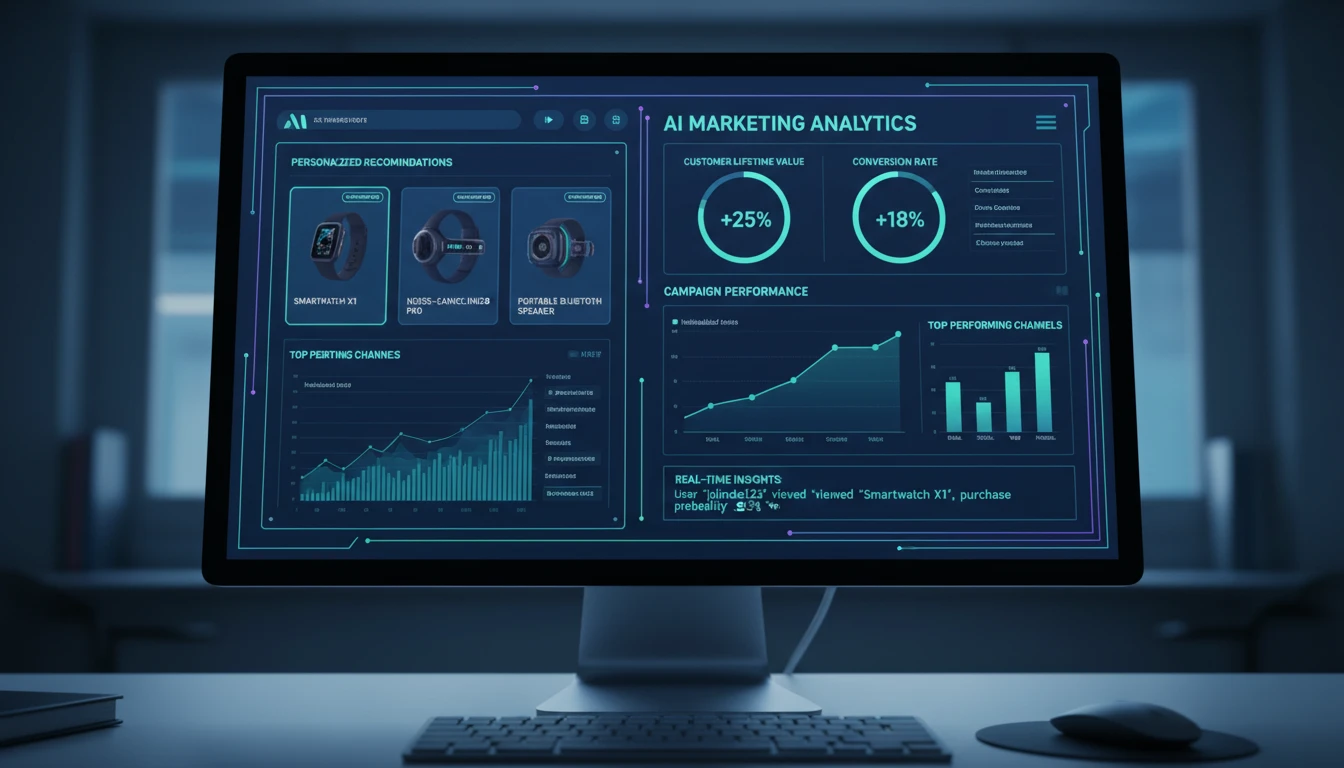
Making your marketing strategy more personal with artificial intelligence can make every message more relevant and effective. I use AI tools to analyze data, predict what certain customers will like, and customize my marketing so each person feels like I’m talking just to them. Here are the main ways I approach using AI to add a personal touch to my marketing, along with tips you can try right now.
How AI Personalization Works in Marketing
At its core, AI personalization means using smart technology to adjust marketing messages, recommendations, and offers based on real customer data. For example, AI systems can collect information about how customers interact with websites, emails, and social posts. With this data, I’m able to group people by shared behaviors or interests, making it much easier to send content that matches their needs or preferences.
- Segmentation: AI can automatically sort my audience into groups based on shopping habits, browsing history, or how often they get involved. This means I rarely have to do the heavy lifting myself.
- Predictive Analytics: AI predicts what customers might do next. For instance, if a customer browses running shoes regularly, AI can suggest running apparel or gear in their email offers.
- Real-Time Suggestions: I’ve seen AI instantly suggest personalized products or content as customers shop online, which increases the chances they’ll buy or click.
AI doesn’t just stop at recommendations; it’s also capable of learning from every interaction. Over time, these tools get smarter, allowing for even more personalized suggestions for each user. The result is a customer experience that feels tailored from the first click to the final purchase.
Building an AI-Powered Personalized Campaign
I start by gathering data from websites, email campaigns, and even customer service chats. AI tools then scan this data to spot patterns and suggest ways to make my customers’ experiences feel unique.
- Content Customization: I use AI to show articles, products, or ads based on the pages individual customers have visited. If someone often reads tech reviews, I’ll send them new product deep dives that match their interests.
- Email Personalization: Using AI to craft subject lines or even full emails means my messages are more likely to get opened. I can recommend different products to each subscriber depending on what they’ve bought before.
- Automated Timing: AI can figure out the best time to reach each person. I might set campaigns to automatically send deals during the times each customer is most likely to check their email or shop online.
- A/B Testing: Another way I step up my personalization efforts is by using AI to automatically test different headlines, images, or deals. The AI looks over the results and shows which options perform best for different groups of customers.
With these steps, creating a campaign that truly speaks to your audience feels much less overwhelming. Even simple personal touches, like using someone’s name in an email or showcasing products they’ve browsed, can make a big difference in results.
Actionable Steps to Get Started with AI in Personalization
You don’t need a huge budget to add AI to your marketing. Many affordable or free tools can help personalize your messages, website, or ads. Here are steps that have worked well for me:
- Choose a userfriendly AI Tool: Pick a platform that integrates with your website, email provider, or CRM. Look for features like audience segmentation, automated content recommendations, and smart timing. Popular options include Mailchimp, HubSpot, and Optimizely.
- Start Simple: I usually begin with just one or two campaigns, such as personalizing website welcome messages or tailoring email product offers. This keeps things easy to manage while I see real results.
- Measure and Adjust: Keep an eye on open rates, sales, and clicks. AI can help you analyze these numbers and show what’s working best, so you can fine-tune your strategy over time.
- Seek Feedback From Your Audience: Ask your customers what kind of content or offers they enjoy most. This information helps you make smarter decisions when setting up your AI-powered campaigns and helps customers feel heard.
Careful testing goes a long way. I find that small tweaks, like changing the call-to-action text or using customer names, can sometimes give a boost to engagement just as much as bigger changes. It’s all about trying new approaches and seeing what gets the best response.
The Value and Challenges of AI Personalization
Personalizing marketing with AI gives each customer a more relevant, engaging experience. I’ve noticed higher customer satisfaction and better sales when I use AI to target people’s specific interests. But, I also pay attention to privacy and data security. Customers trust me more when I’m open about how I use their data and let them control their preferences.
Learning to use AI well does take time, but it pays off. The key is starting with simple steps and building from there. Being transparent and respectful with customer data is crucial for building trust and fostering long-term relationships. If you want more tips on AI-powered marketing, you can check out resources from HubSpot or read guides from WordStream.
Share Your Experience or Ask a Question
If you’ve tried personalizing your marketing with AI, or you have questions about how to get started, feel free to leave a comment below. Sharing your ideas or feedback can help others learn and find new ways to grow their businesses.